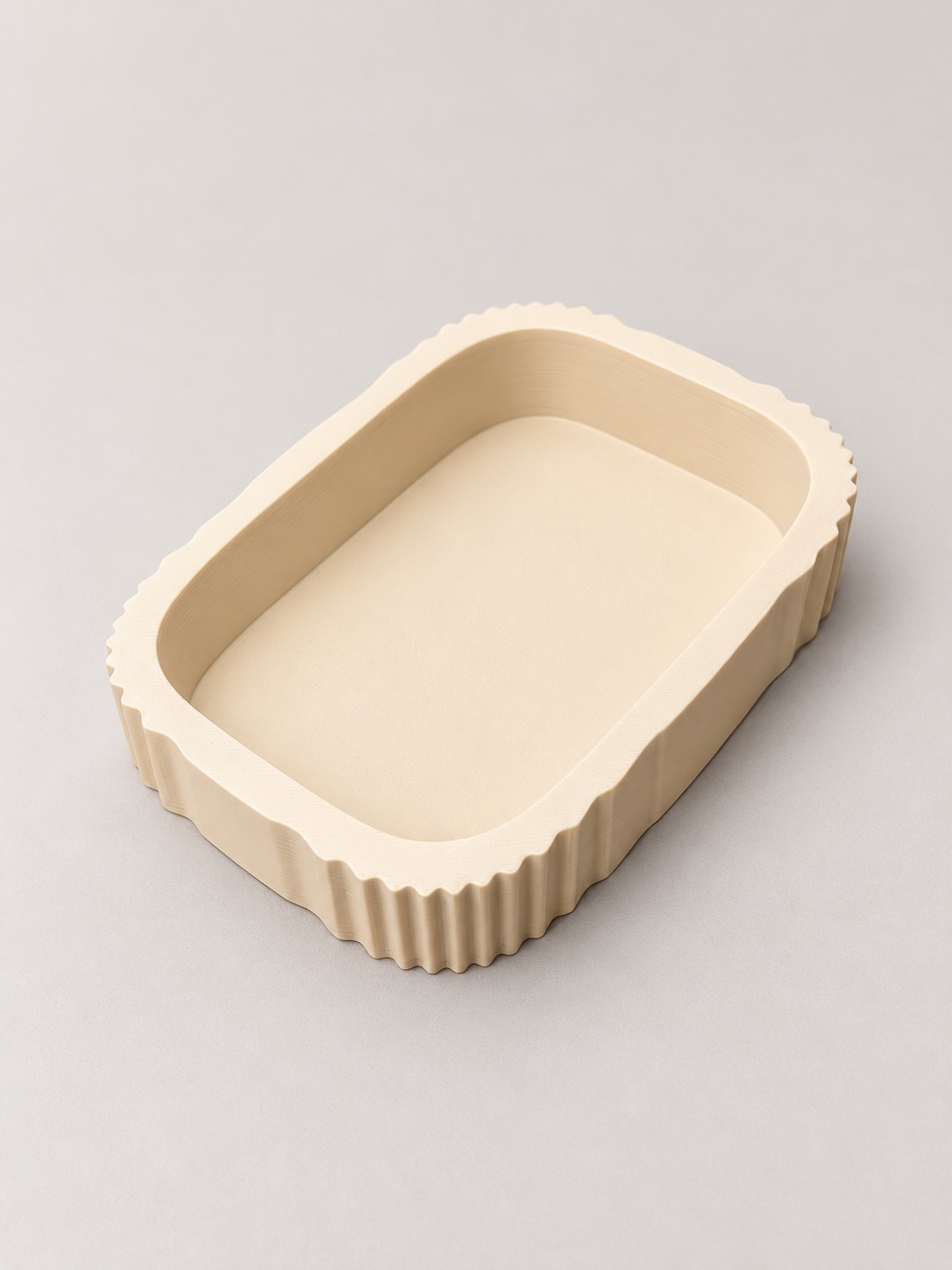
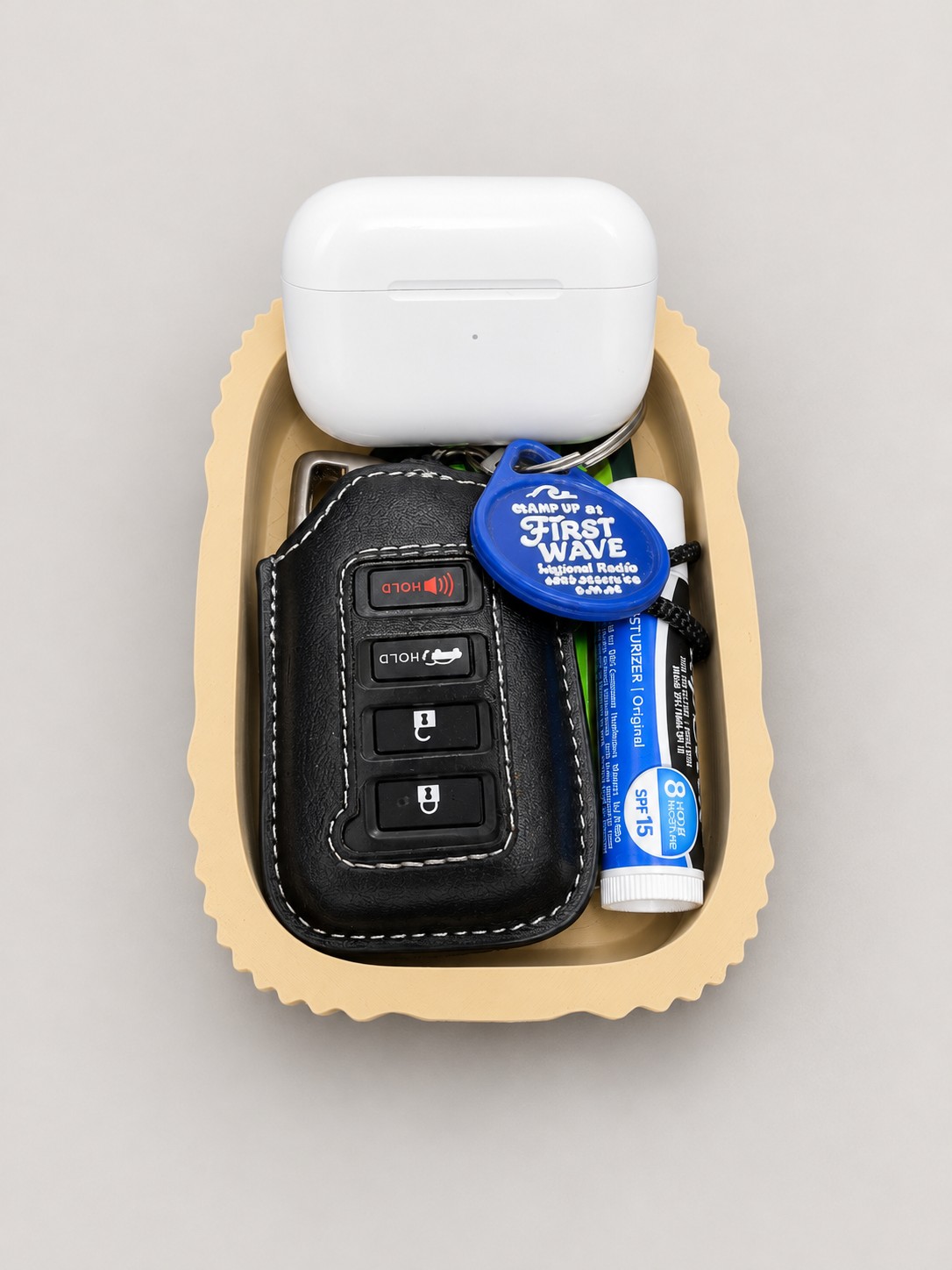
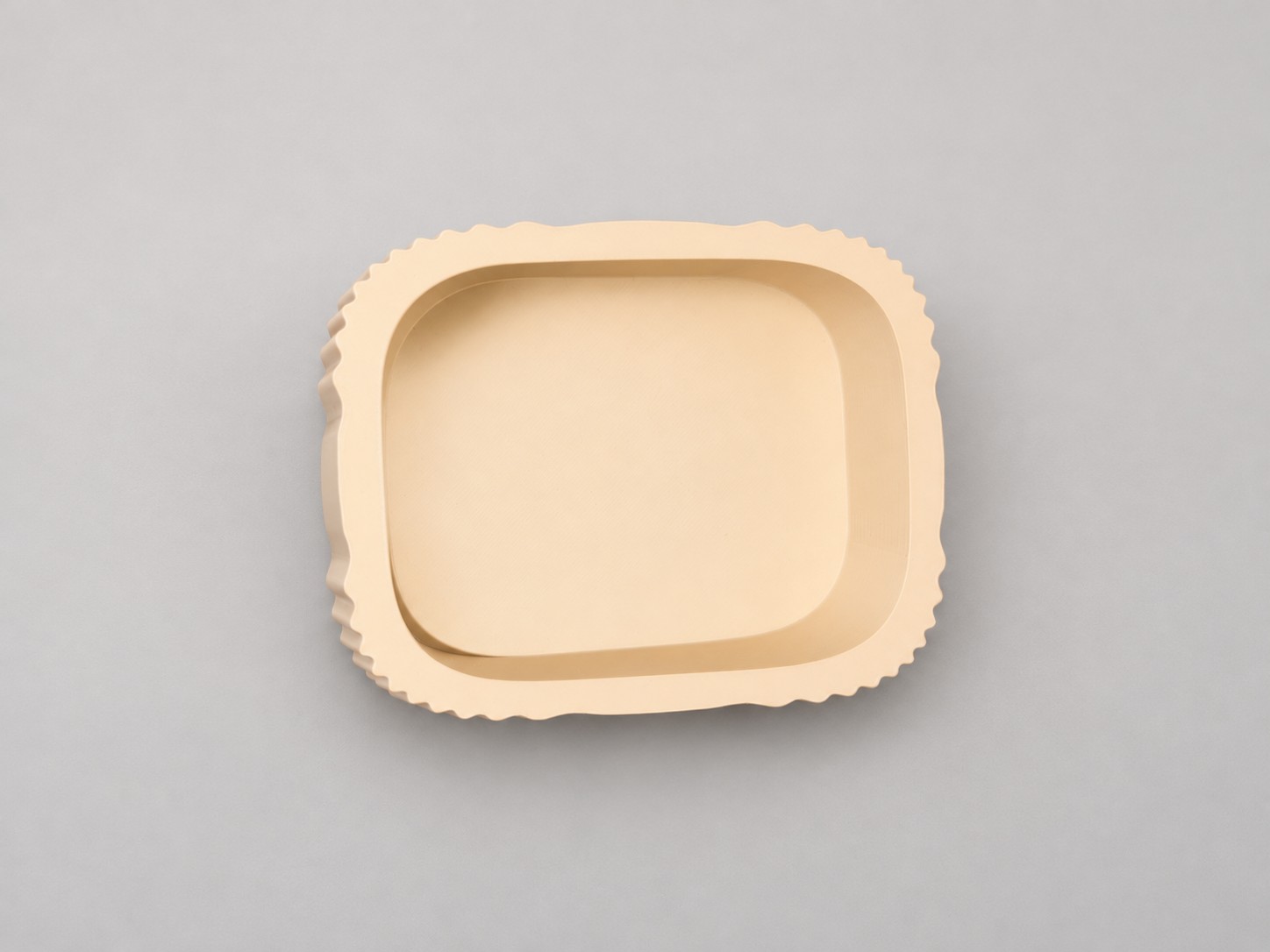
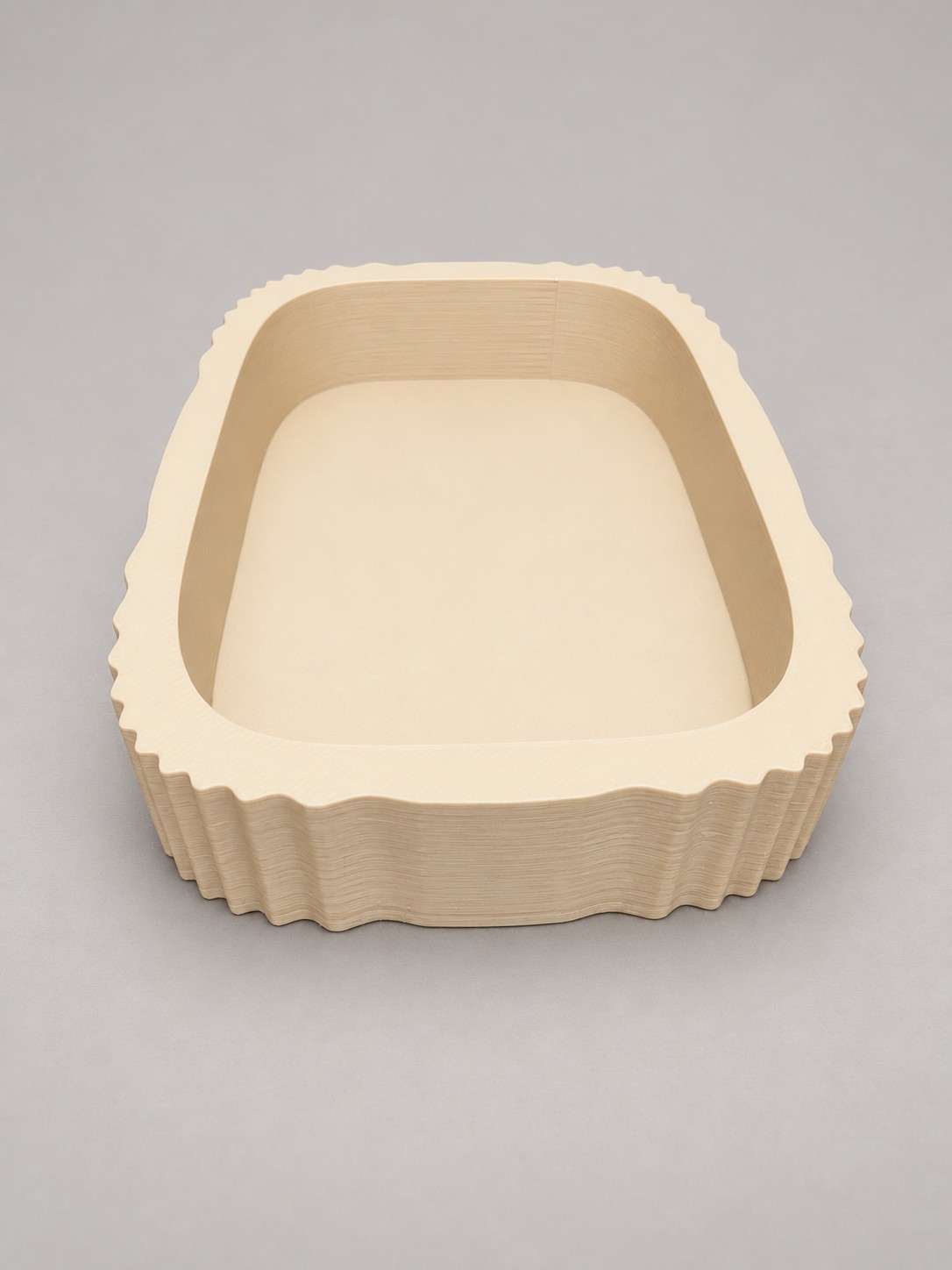
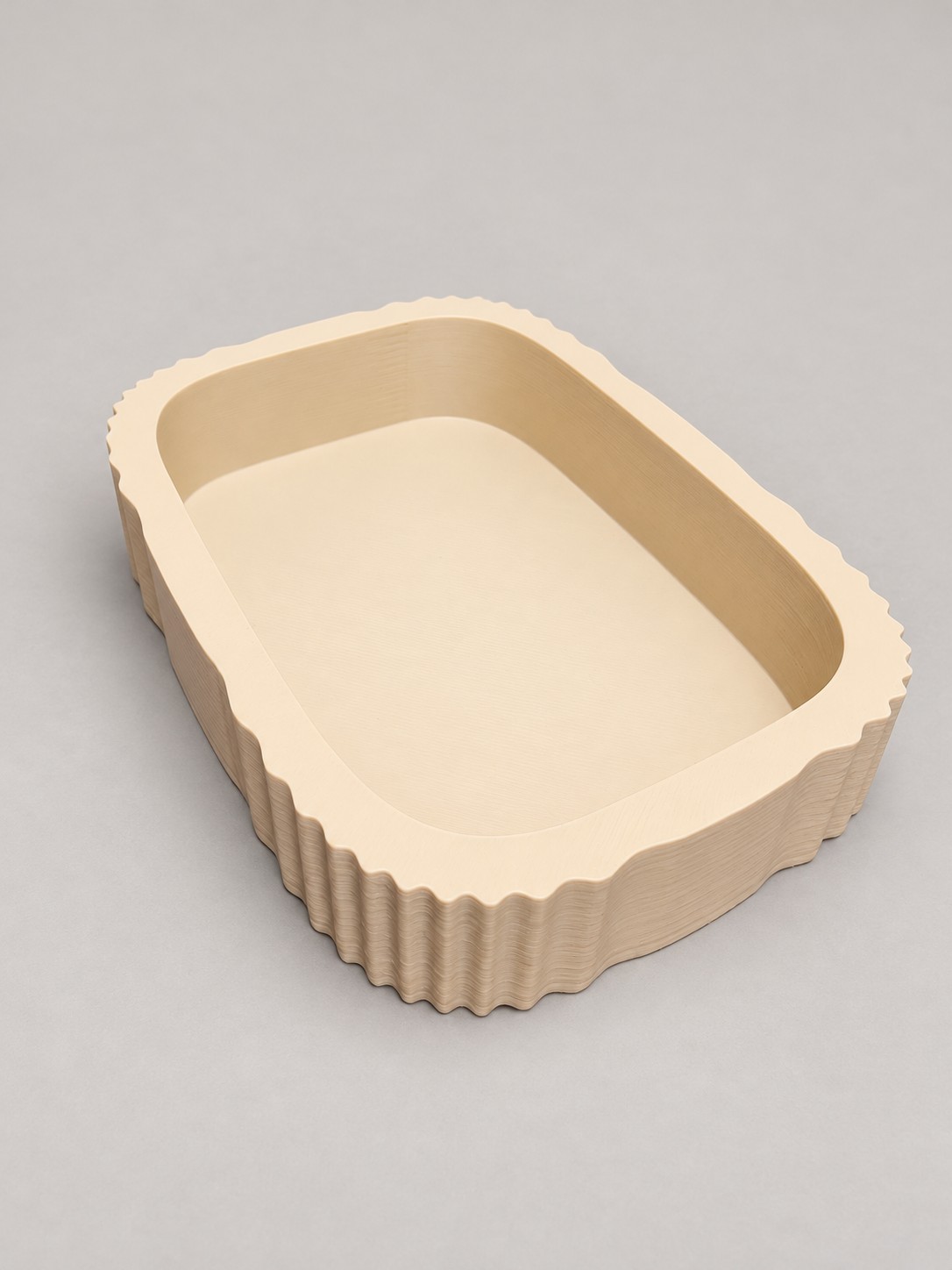
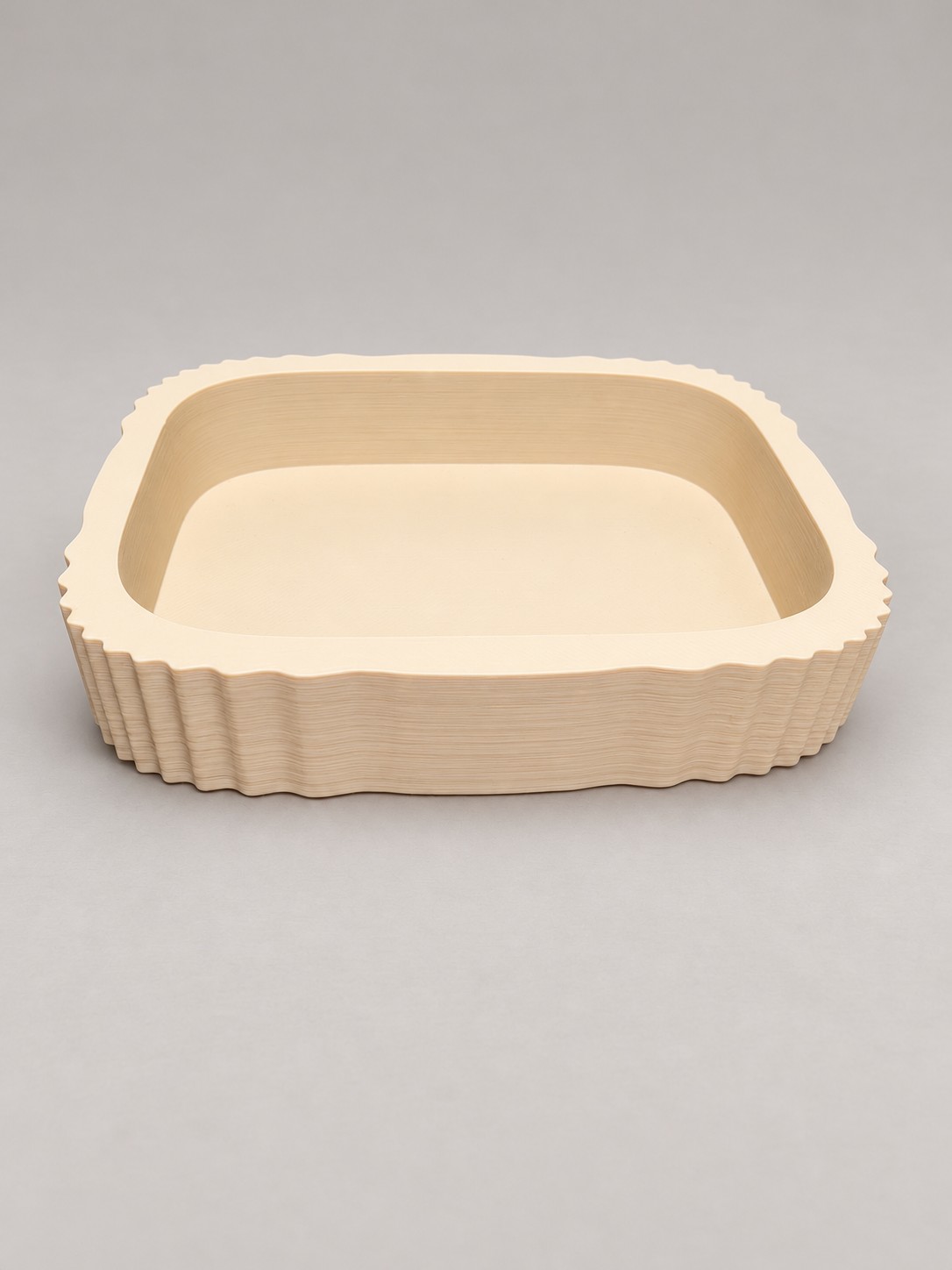
The Ripple Tray is the beginning because it keeps the lesson visible: learn what a print is doing before asking it to do more.
It is tempting to treat the first object as a warm-up for something more complicated. Overhangs, moving assemblies, and integrated parts can make a project feel more advanced. But complexity is only useful when it has a reason to be there.
This project begins with attention to the print itself. The ribbed form makes repetition part of the object. It asks for consistency and rewards looking closely. Instead of hiding the process, it gives the process somewhere to show up.
Use the machine you understand.
My Bambu Lab P1S with a first-generation AMS already does what I need. A new version existing is not, by itself, a reason for me to upgrade. The better question is whether the machine in front of me is still capable of the work I want to make.
That choice is not about resisting better tools. It is about knowing the difference between a real limitation and the pull of novelty. Learning a machine deeply has value. So does maintaining it instead of replacing it at the first sign of something newer.
I can support that approach through a local parts source in Bellflower. Proximity makes the machine feel less disposable and more like equipment I can continue to understand and care for.
Complexity has to earn its place.
The Ripple Tray is a starting point, not a statement that every object should stay simple. It is a reminder that the next layer should come from the work. Overhangs should solve something. Integrated parts should improve something. A new machine should open a door that is actually closed.
Project 001 keeps the threshold low and the standard high: pay attention, learn the behavior of the print, and build from what the process teaches.