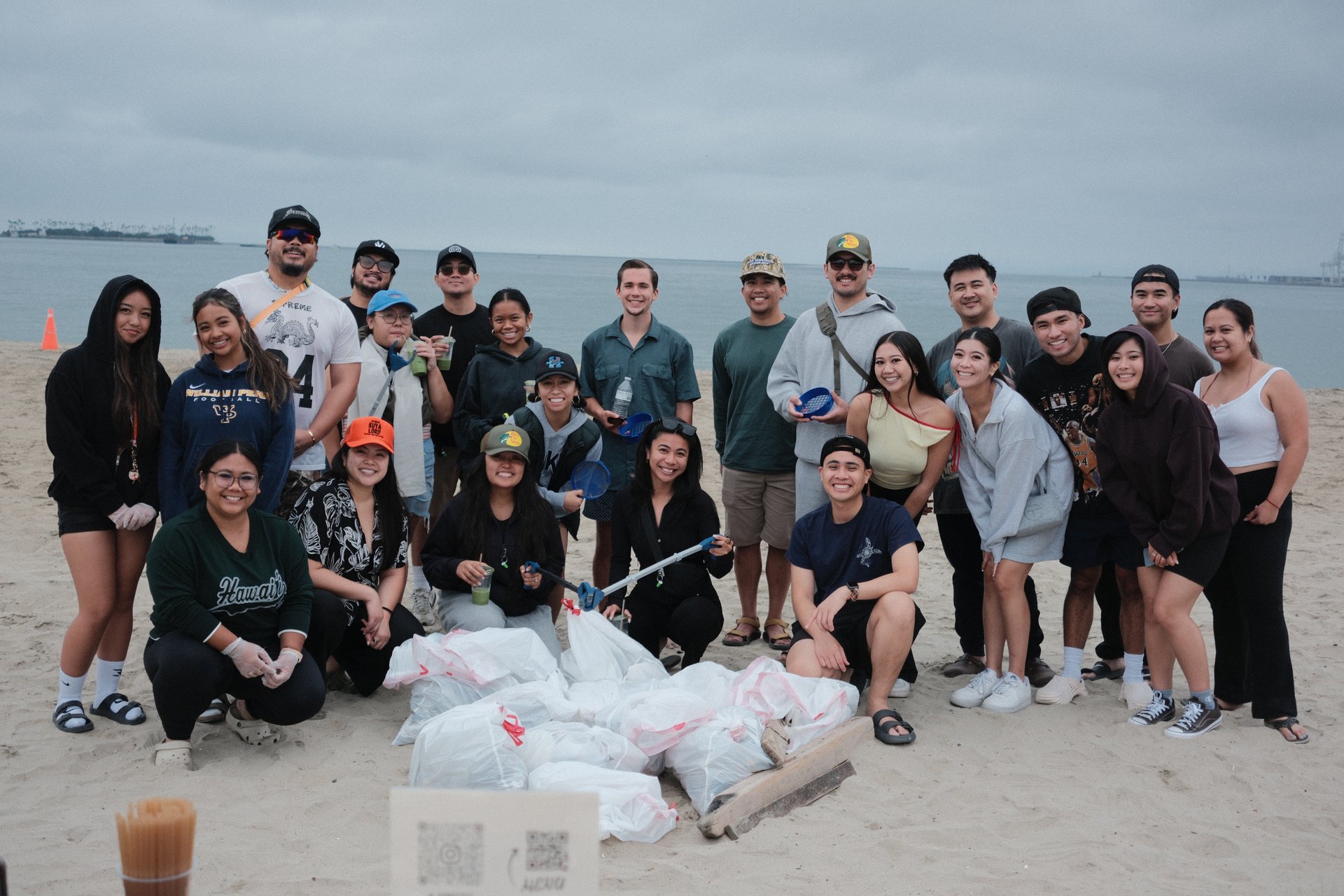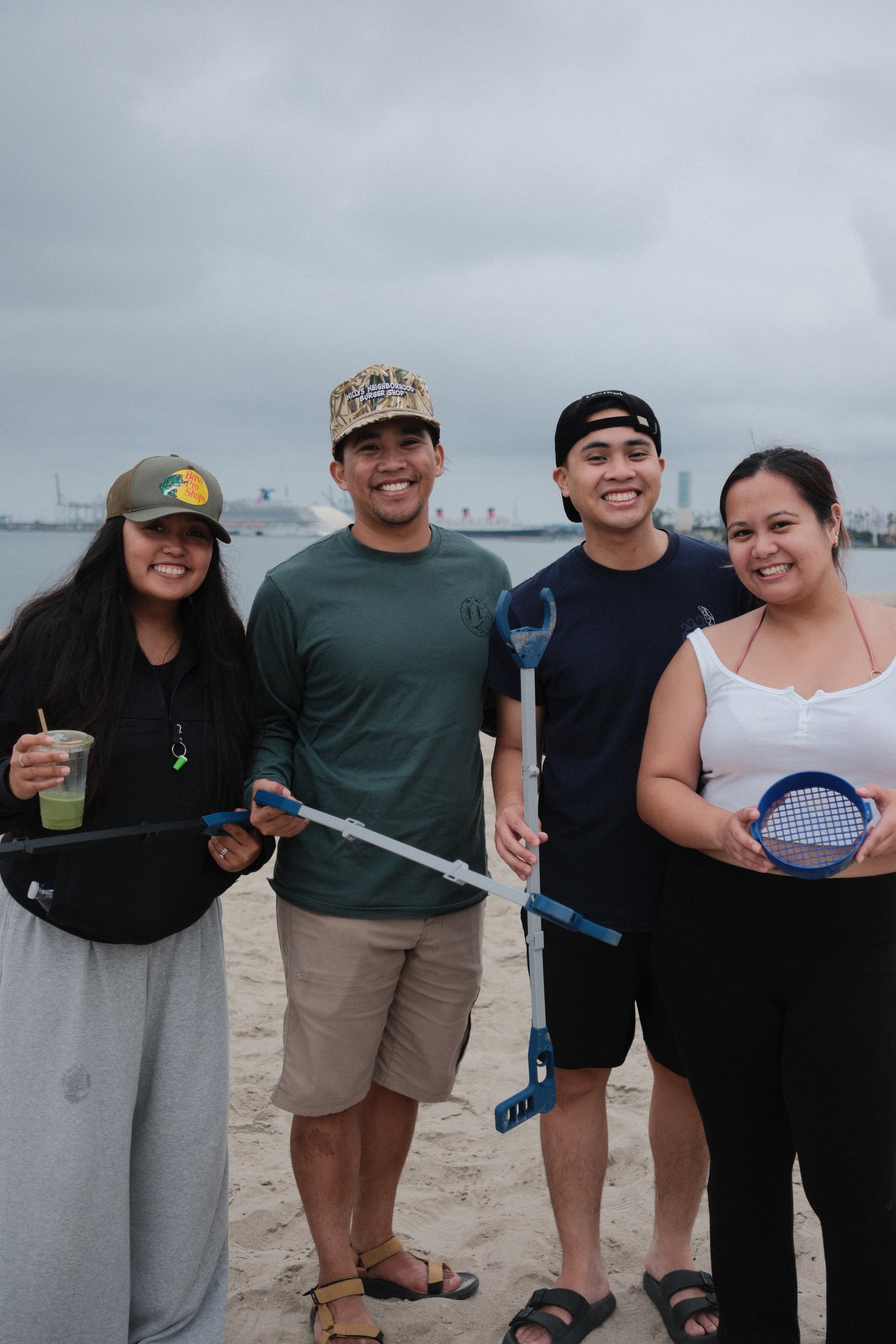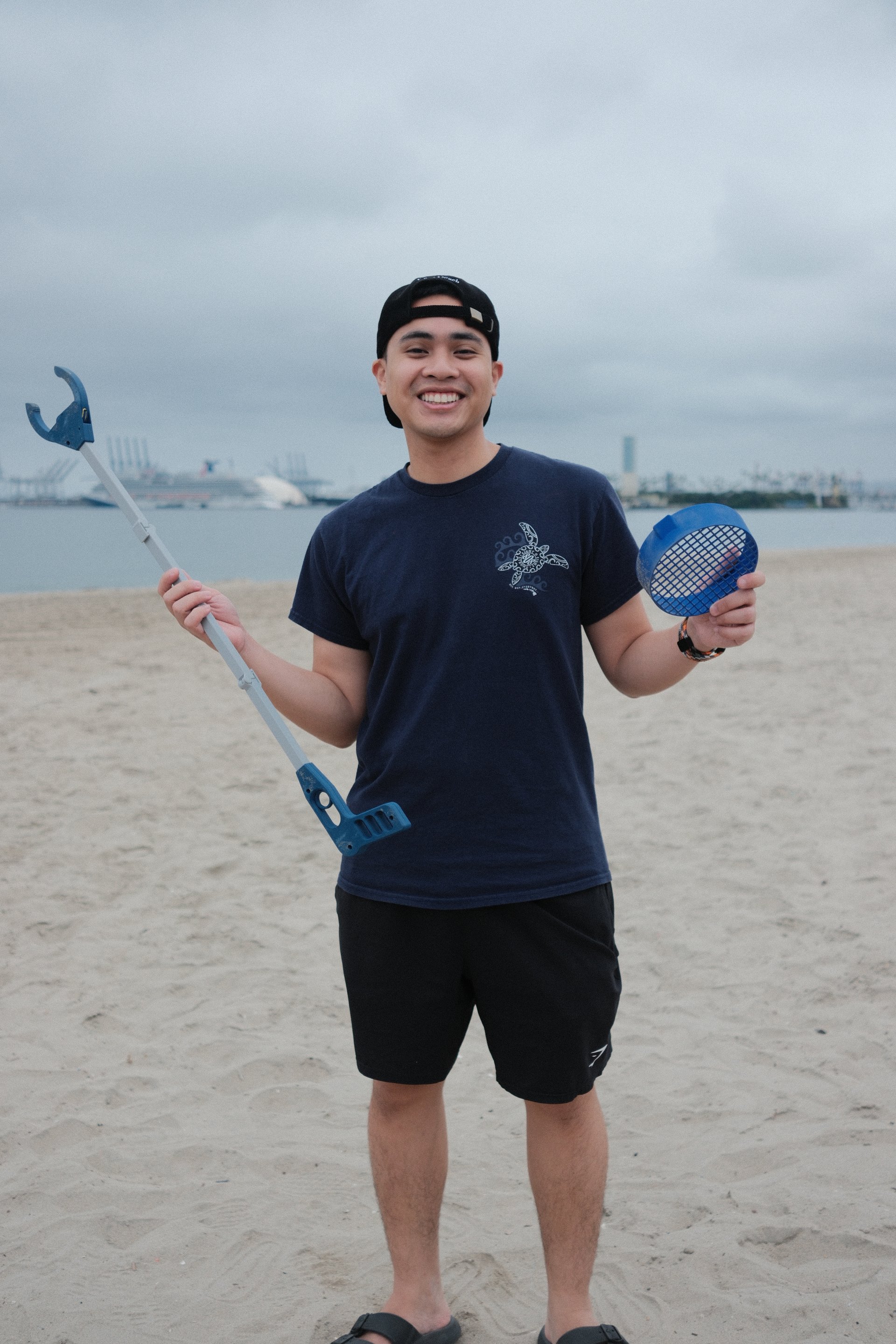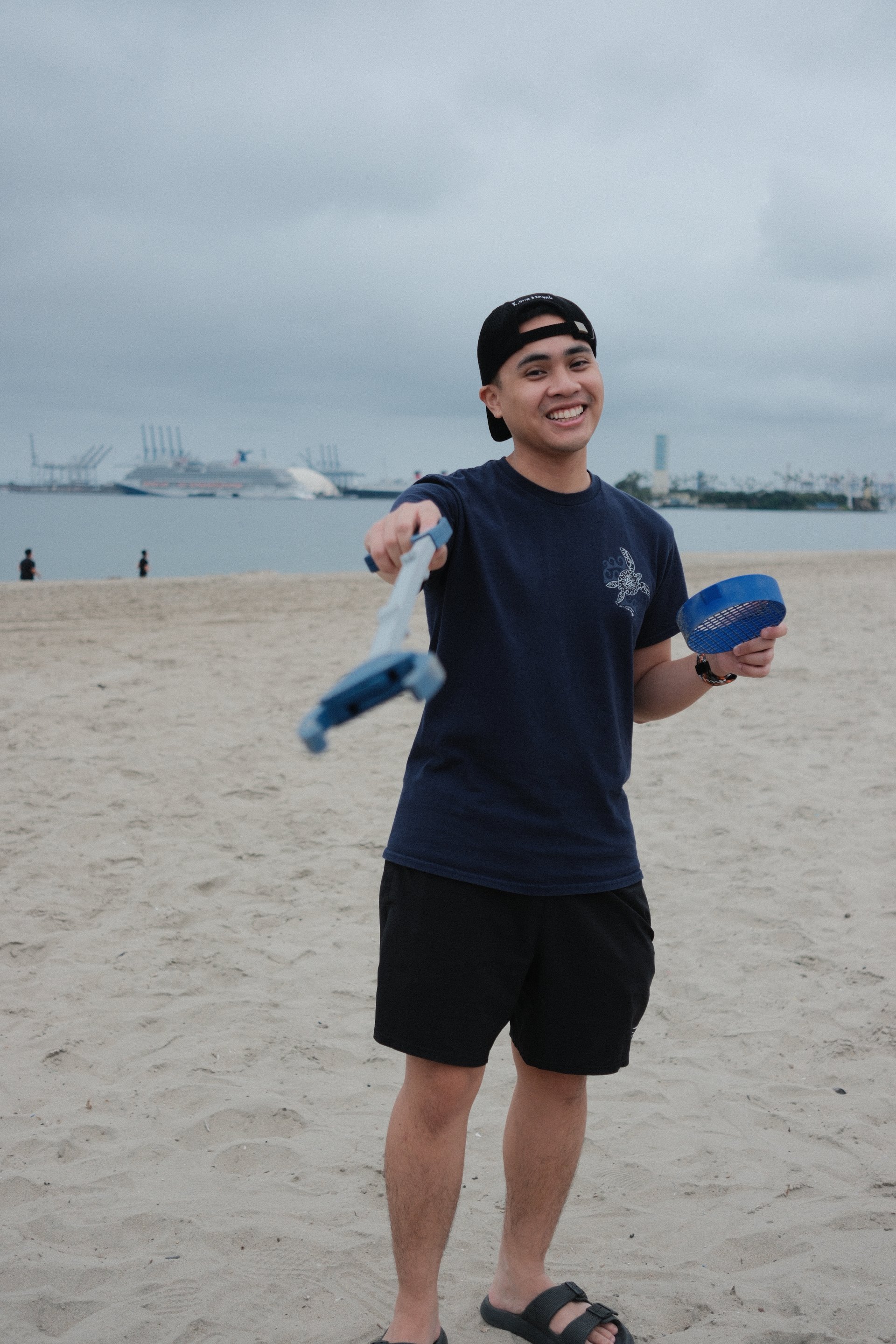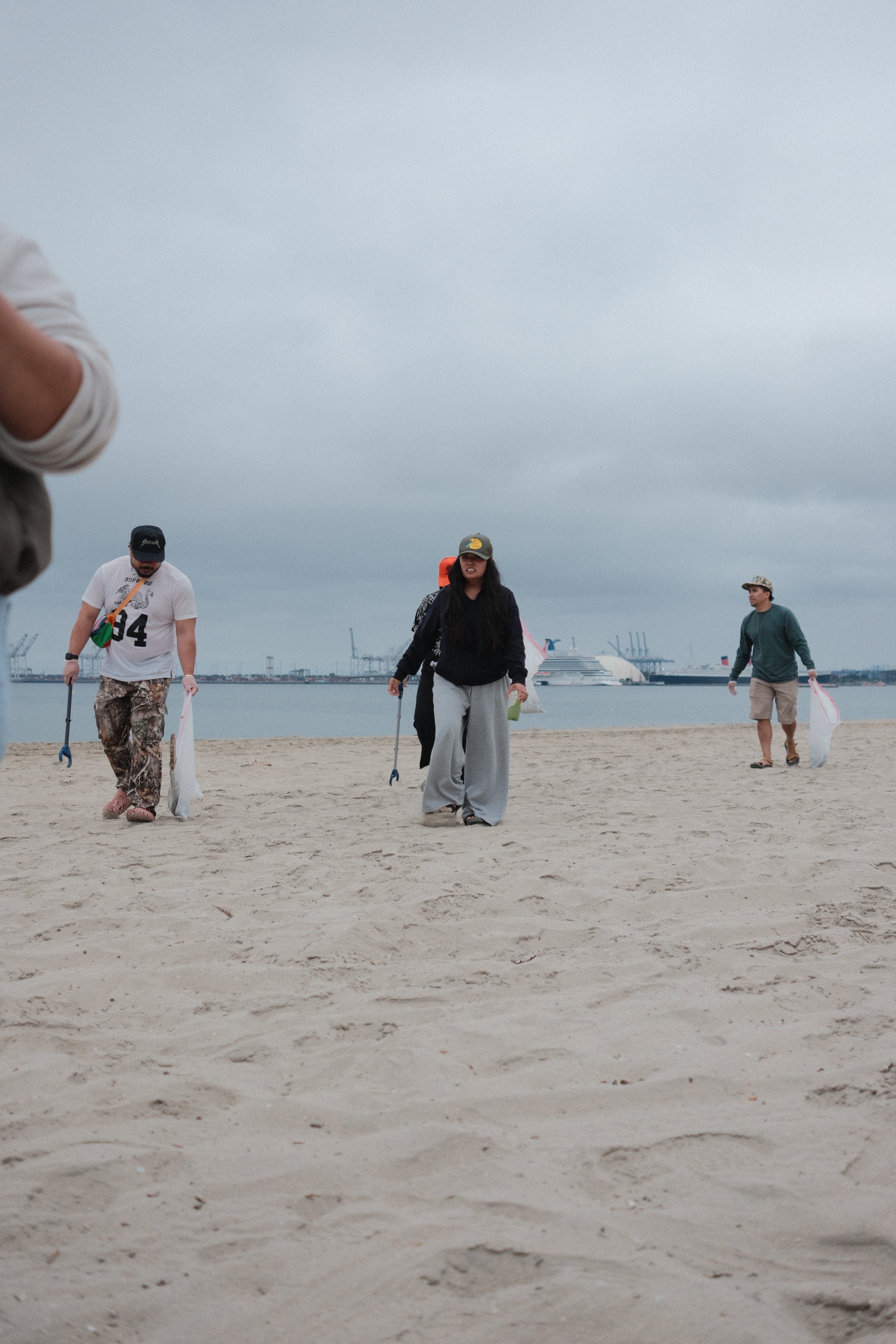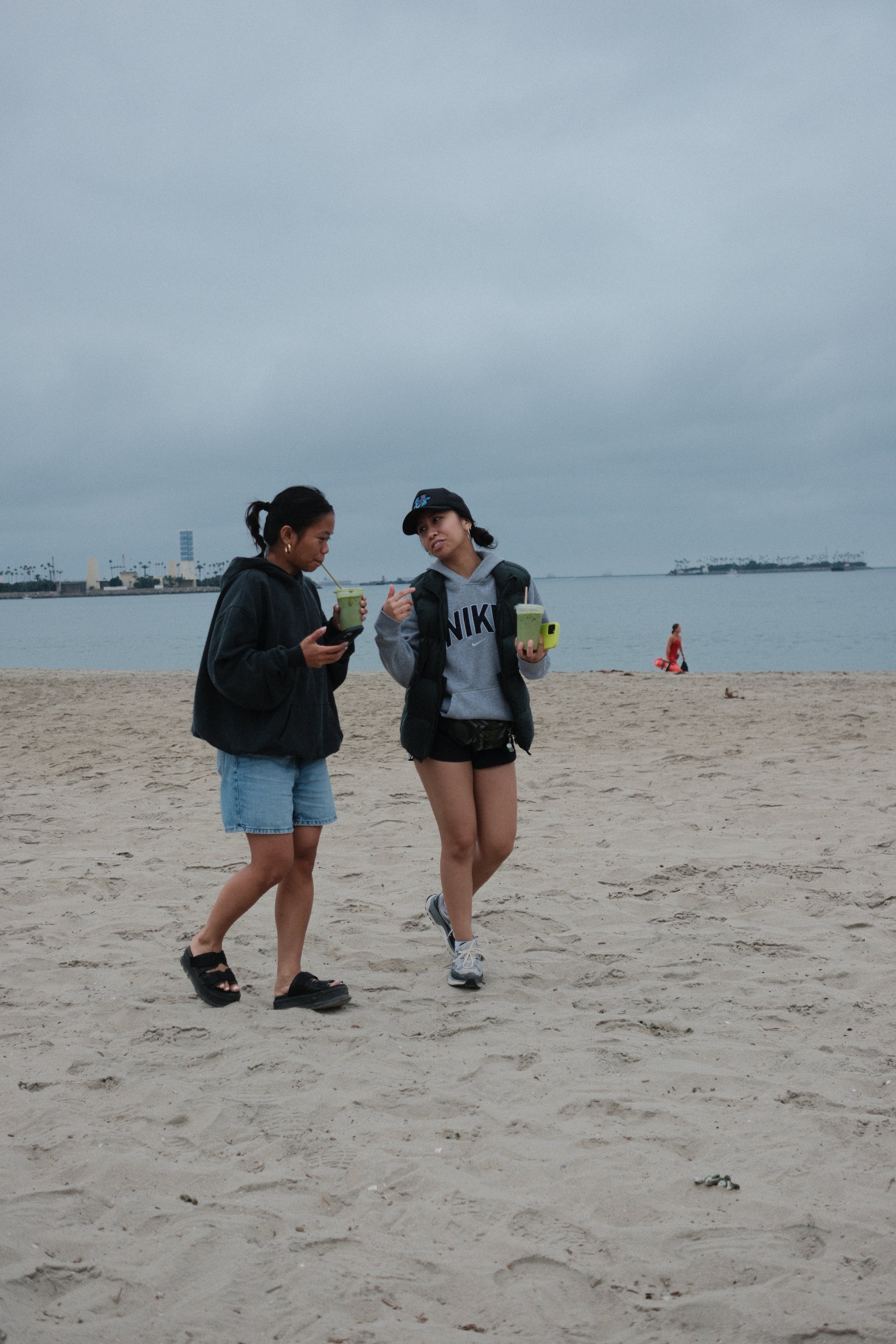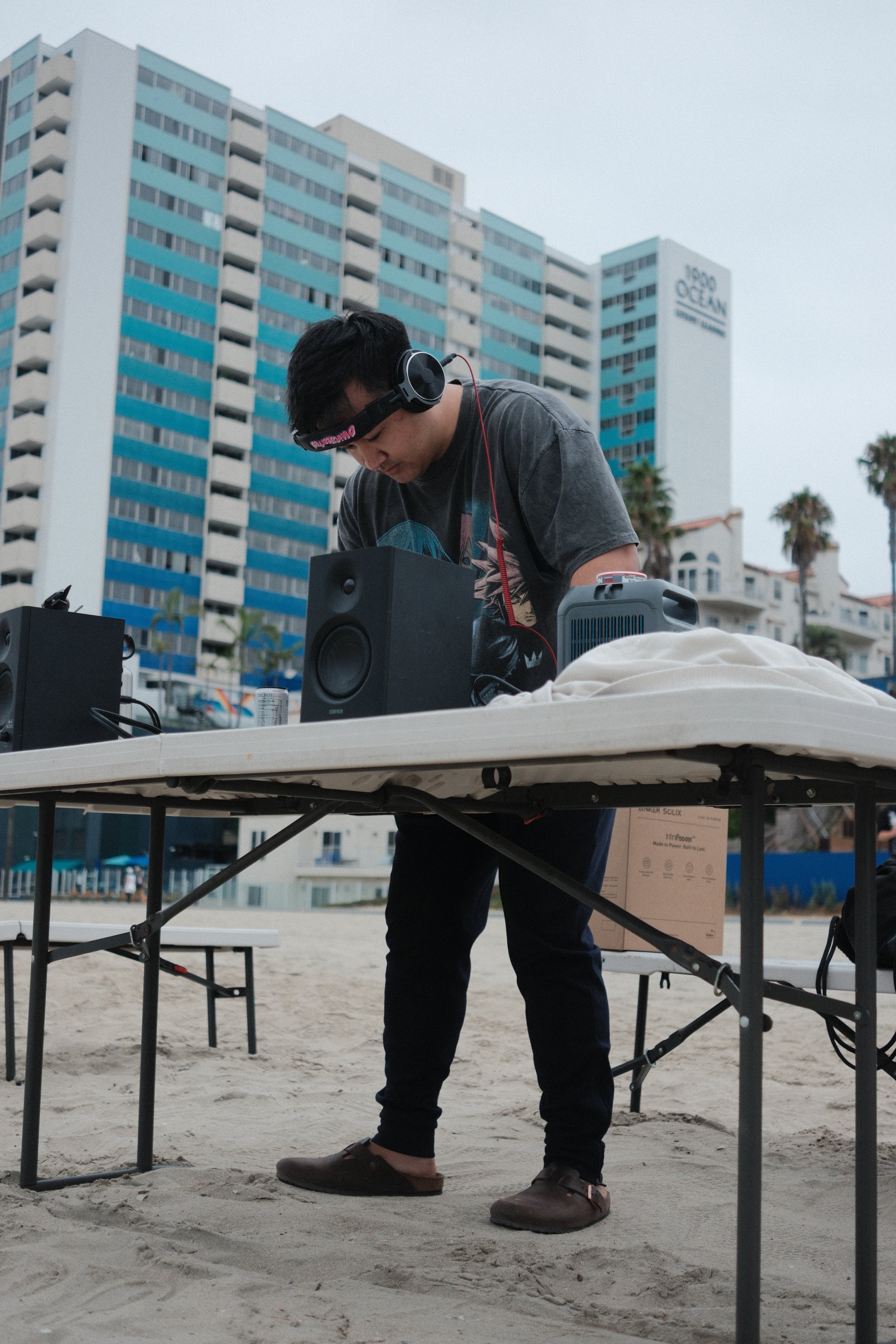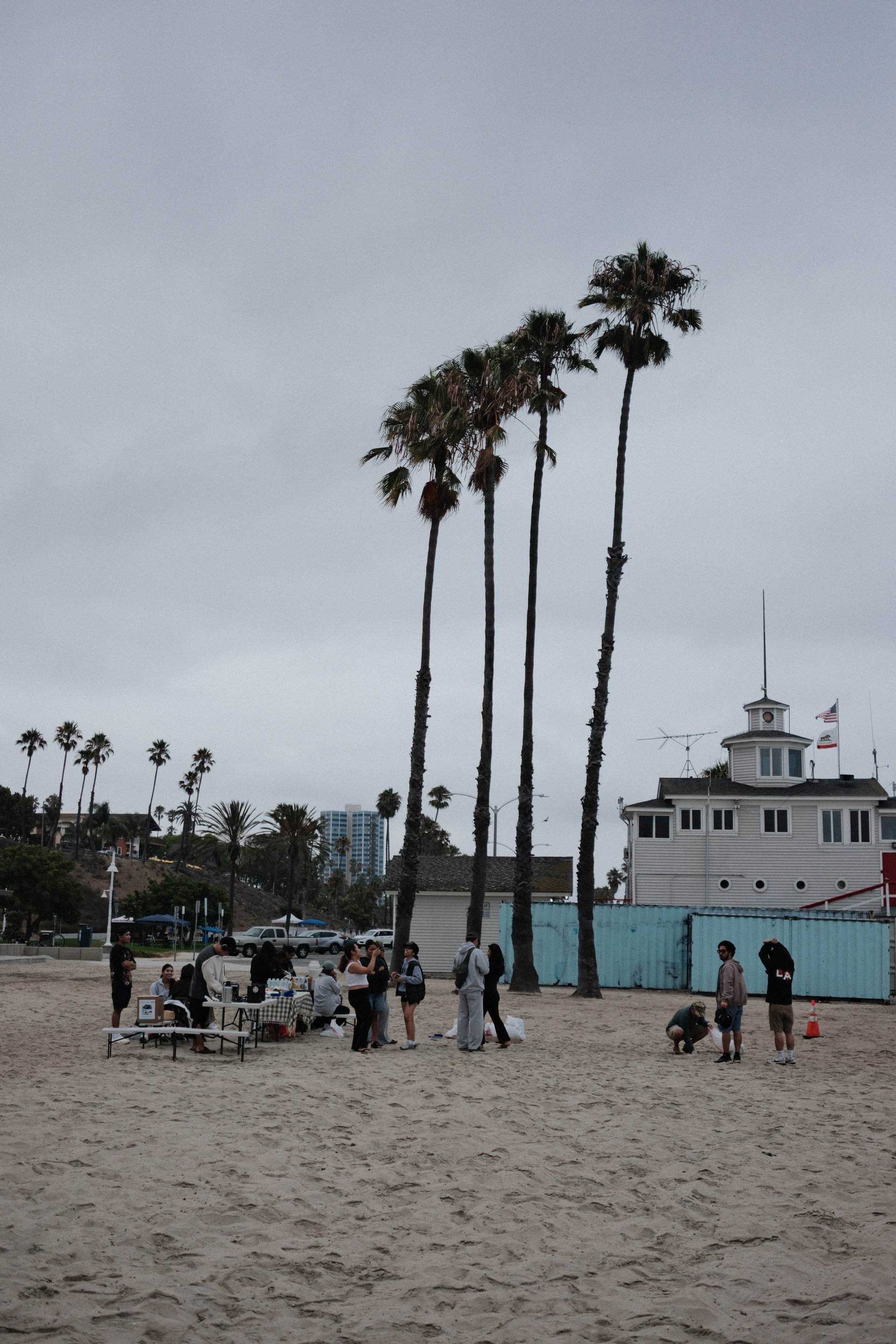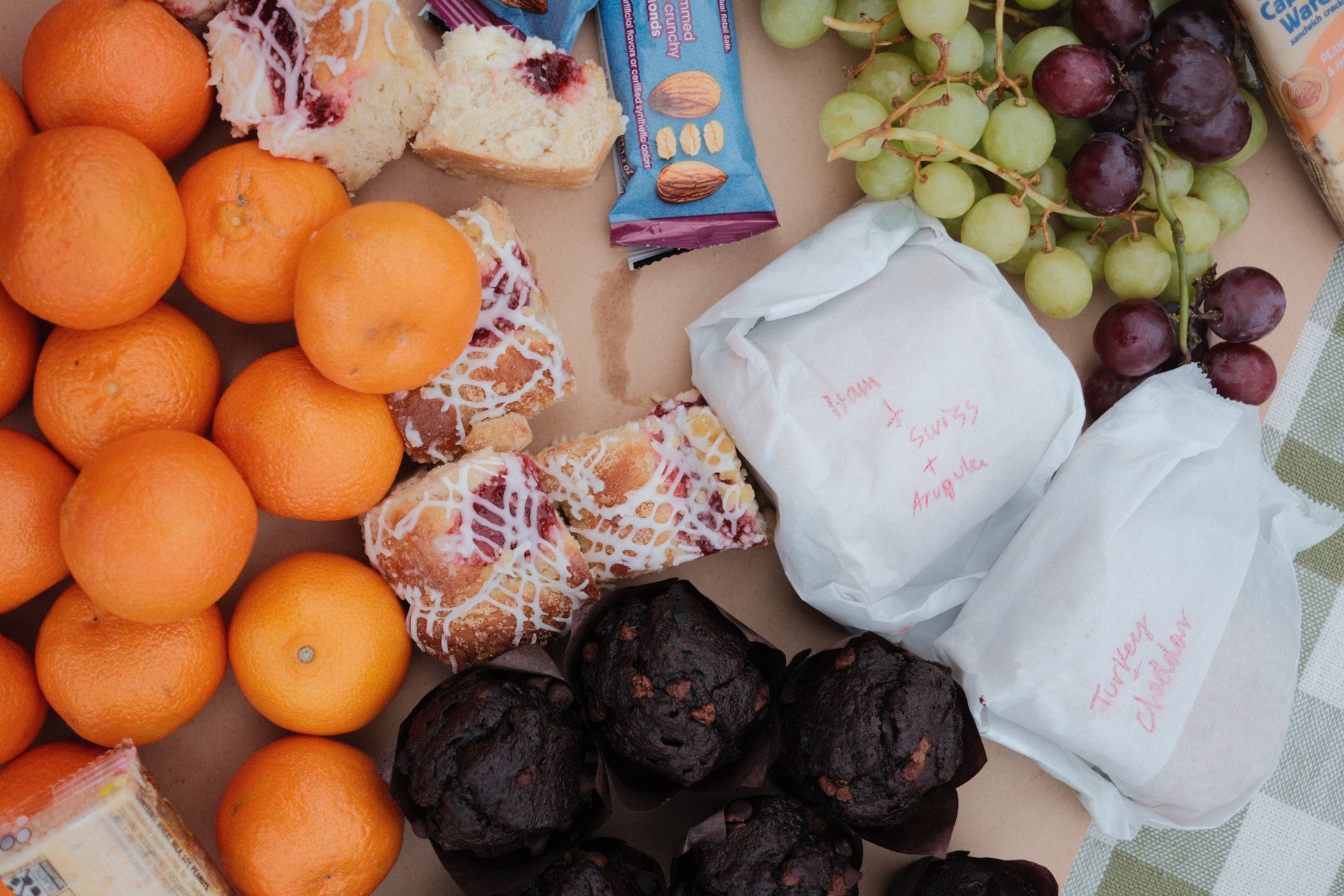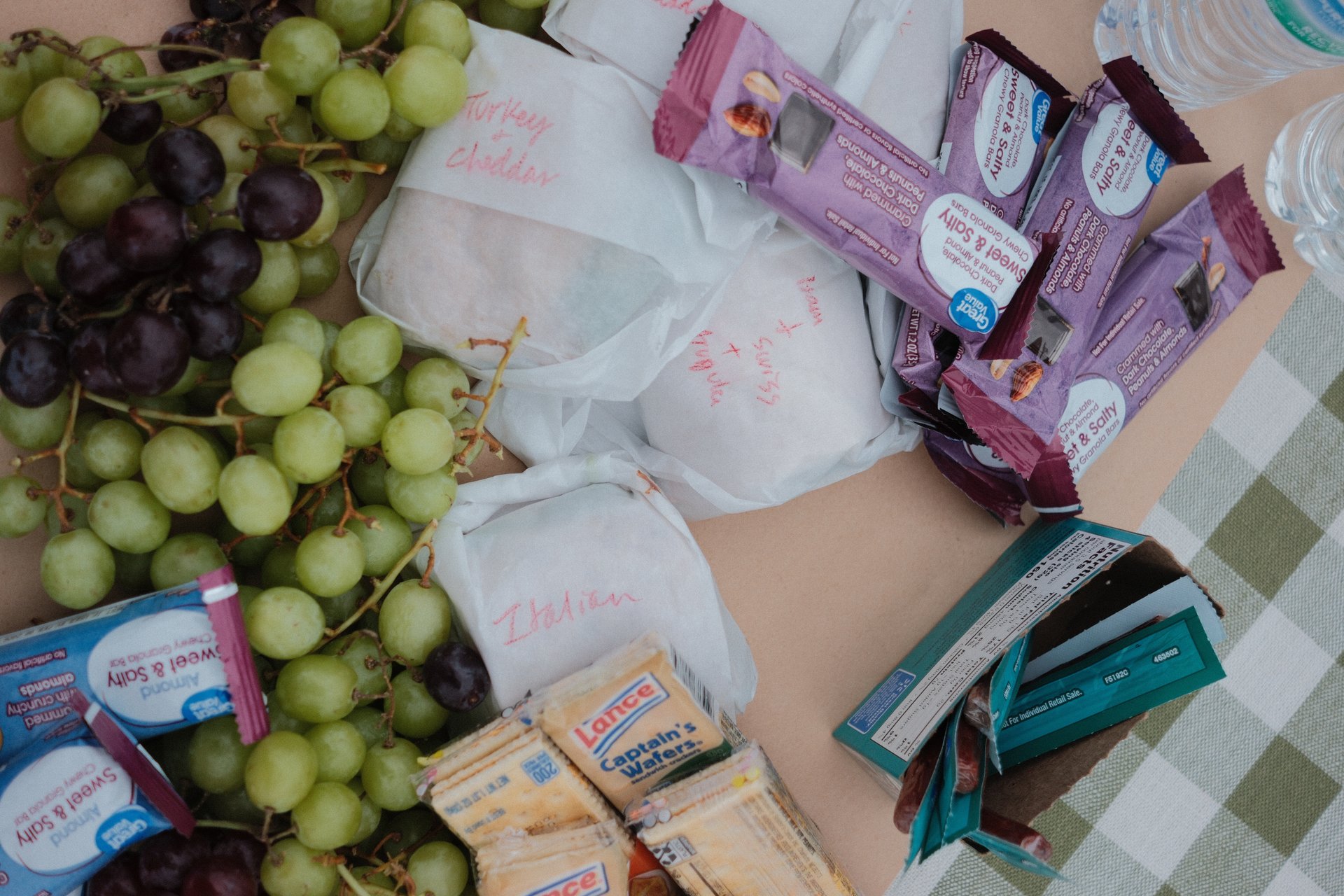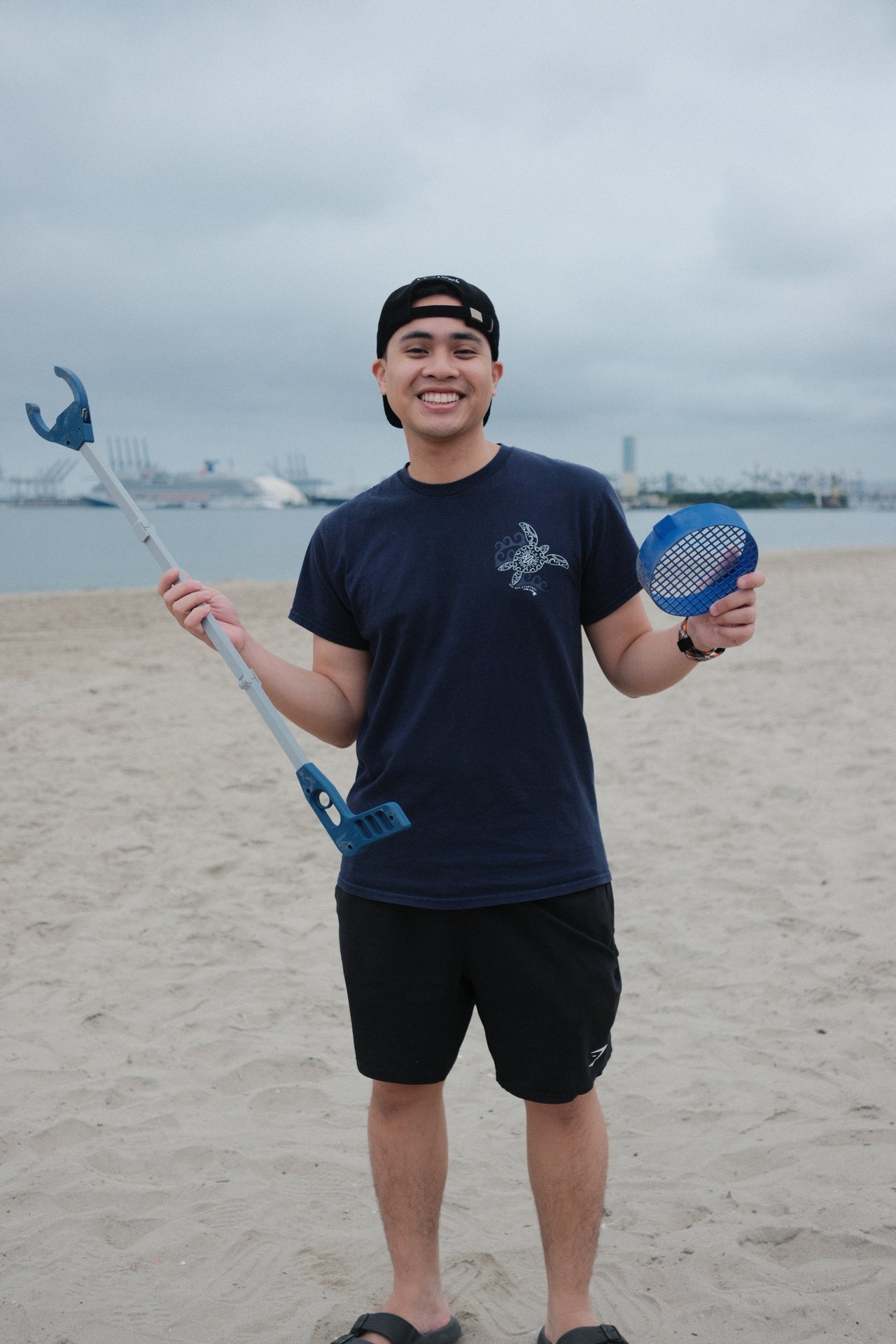
In August 2025, I brought 3D-printed tools I had made to a beach cleanup and put them to work where sand meets water. Nine months later, on my birthday in May 2026, I went surfing. Together, those moments became the fuller meaning of First Wave.
The name took on another meaning nine months later. The August event was a public test of tools built to be useful and a day spent removing what did not belong on the shoreline. The following May, a birthday surf brought me back to the ocean in a different way.
First Wave made a simple idea physical: an object matters differently when it leaves the printer and enters a shared environment.
Make the tool.
3D printing is often shown at the moment of creation. A machine moves. Layers accumulate. A finished object lifts from the bed. That moment is satisfying, but it is not the whole story. The real question begins afterward: what is this for, who can use it, and does it make the work better?
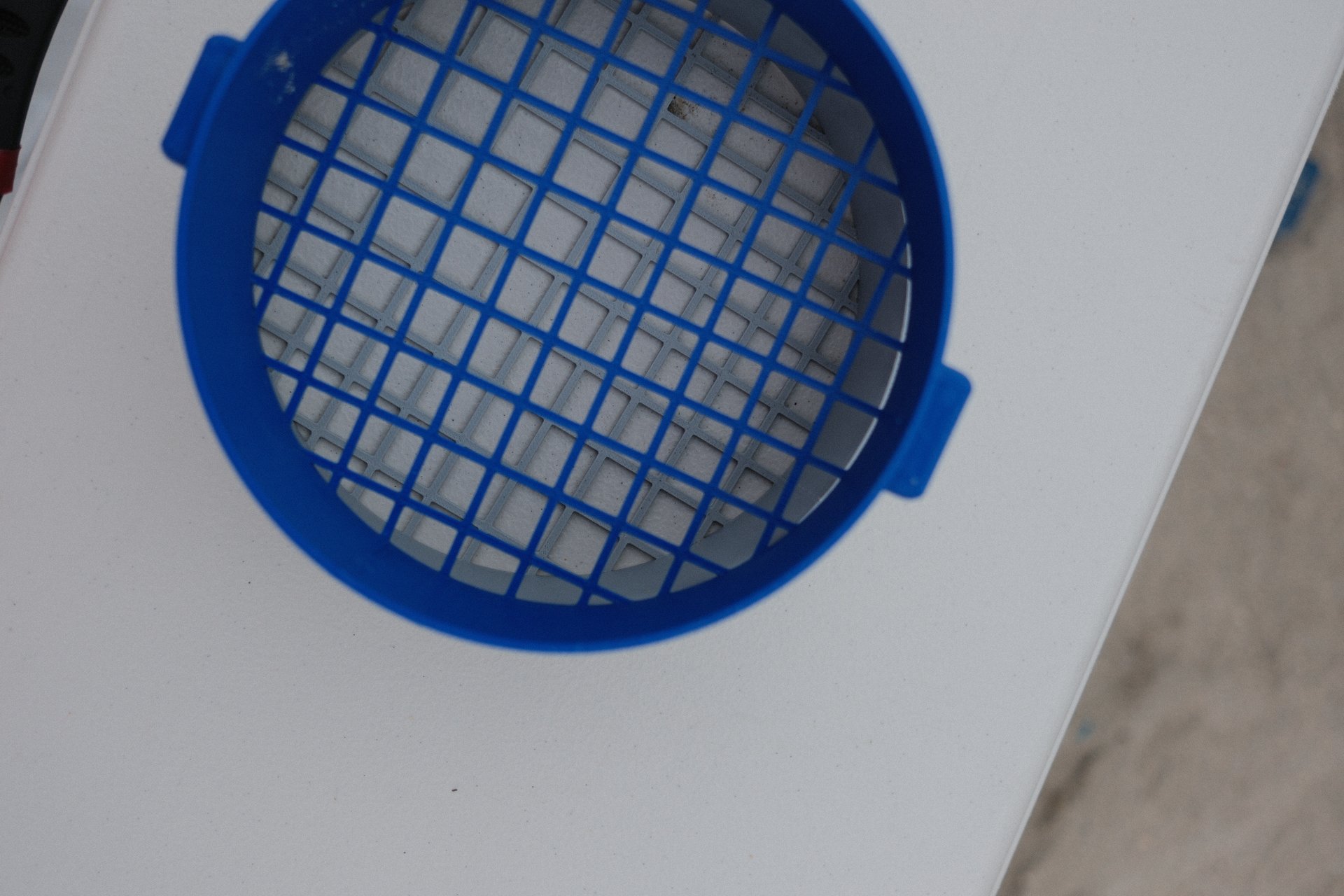
For First Wave, the printed tools were not display pieces. I brought them to a beach cleanup to use them. Salt, sand, carrying, repetition, and contact with real debris turn an idea into a field test. Every surface and connection has to answer to a hand, a task, and a place.
That is the kind of feedback I want Layered Goods to be built around. A model can look complete on a screen and still be unfinished in the world. Real use reveals what needs to be stronger, simpler, easier to hold, easier to clean, or easier to reproduce.
Printing an object does not make it sustainable by default. Material still matters. Durability matters. Reuse matters. The strongest argument for making a tool is that it earns its place by helping someone do necessary work—and can keep doing it.
Clean the beach.
A cleanup changes the scale of the ocean-plastic problem. From far away, marine debris is an enormous global subject. On the sand, it becomes individual decisions and individual objects. You bend down. You notice what is mixed into seaweed and driftwood. You see how easily a small piece disappears into the landscape until someone chooses to look closely.
The tools helped connect manufacturing to service. Instead of designing around an abstract user, I was the user. Instead of imagining an environment, I was standing in it. The beach became both the reason for the object and the place that judged it.
As the Ocean Desk explored in “The Ocean Is a Logistics Problem,” removing waste is only one part of the system. Prevention, collection, sorting, maintenance, and responsible disposal all matter. A cleanup does not solve the ocean. It gives people a direct role inside a much larger chain.
Then I got in the water.
Nine months later, in May 2026, I went surfing on my birthday. The cleanup and the surf were separate moments, but the ocean connected them. After working along the shoreline in August, I returned the following spring to experience the water as a participant.
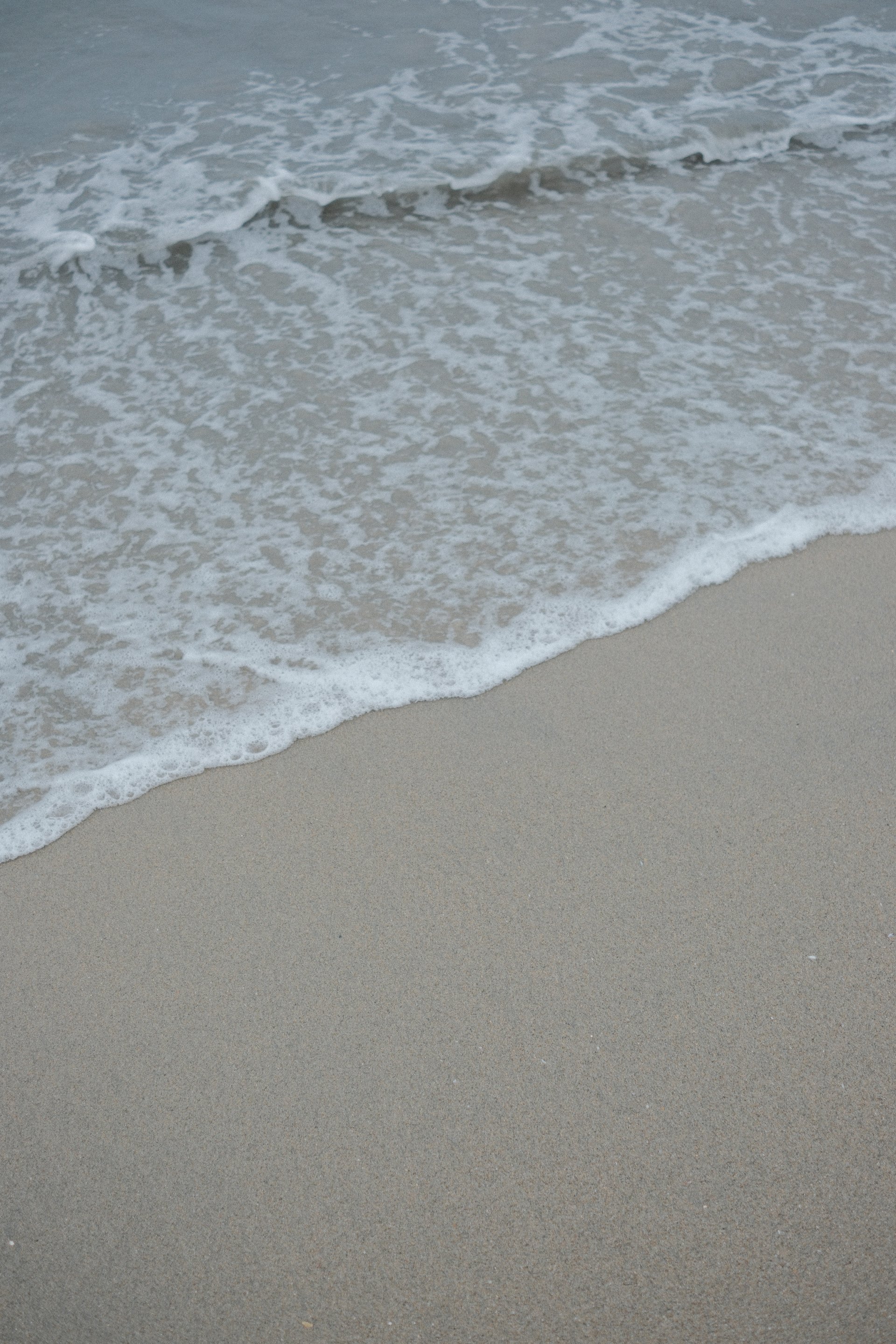
A first surf session changes the relationship immediately. From shore, a wave looks like a moving line. In the water, it has timing, weight, direction, and sound. The ocean stops being a background image. It becomes a surface you have to read.
That is where the other meaning of First Wave appeared. A first wave is not important because it is the biggest or the cleanest. It matters because it reorganizes what the body believes is possible. For a few seconds, effort, balance, equipment, gravity, and moving water can align.
The wave began somewhere else.
What reaches a surfboard is not a wall of water that traveled intact across the sea. NOAA explains that waves transmit energy more than water. Wind disturbs the surface, and that energy can move across an ocean basin while the water itself largely moves in circular paths. Wave size is shaped by wind speed, how long the wind blows, and fetch—the uninterrupted distance it travels over water.
Near shore, the seafloor interrupts the motion. The lower part of the wave slows, the face grows steeper, and eventually the structure becomes unstable enough to break. A beginner experiences the final seconds of a chain that may have started with weather far beyond the horizon.
The ride is personal, but the energy is not. You do not make the wave. You meet it at one point in its life. That is a useful lesson for design too: understand the forces already moving, then decide how to work with them.
A practice received, not invented.
For a new surfer, the first session can feel like a private discovery. The practice has a long memory. Hawaiian heʻe nalu—wave sliding—developed as culture, skill, recreation, and social life long before modern surf media. The board beneath a beginner belongs to that history.
Duke Kahanamoku became one of surfing’s most influential ambassadors in the early twentieth century. The Smithsonian’s National Museum of American History describes how the Olympic swimmer gave exhibitions around the world, shaped boards for others to copy, and made surfing appear accessible beyond Hawaiʻi. A redwood board he shaped on a California beach in 1928 still carries that story in its grain.
Remembering where the practice comes from makes a first surf larger, not smaller. You enter a lineage passed through teachers, shapers, lifeguards, friends, local knowledge, and generations of people who learned to read the same moving surface.
The first rule is coming back.
The romance of a first wave should never erase the environment around it. Conditions change. Rip currents can move faster than a person can swim. Piers, rocks, crowds, cold water, and unfamiliar breaks add consequences that confidence cannot remove.
Preparation is part of the session: learn with someone qualified, choose a lifeguard-protected place when possible, ask about conditions, use appropriate equipment, and do not enter alone. NOAA’s guidance for rip currents is plain: do not fight the current directly, stay calm, move parallel to shore when you can, and signal for help if needed. Local lifeguards and posted warnings outrank any general advice.
Respect begins before the water. Know the limits of your swimming, leave space for other people, and understand that choosing not to paddle out can be the most experienced decision made that day.
One name. Two beginnings.
First Wave began on shore in August 2025 with a tool, a bag, and the decision to help clean a shared place. In May 2026, the story continued in the water with a birthday surf.
The two parts belong together. Making should create a reason to participate in the world, not only more things to place inside it. Participation creates attention. The person who cleans a beach notices waste differently. The person who enters the water notices wind, tide, runoff, access, and safety differently. Attention can become responsibility.
Neither moment needed to announce the next product or reveal a roadmap. Together, they were enough to test an idea, serve a place, and begin a new relationship with the ocean. That is what the first wave is for: not to prove you have arrived, but to show you where to go deeper.